
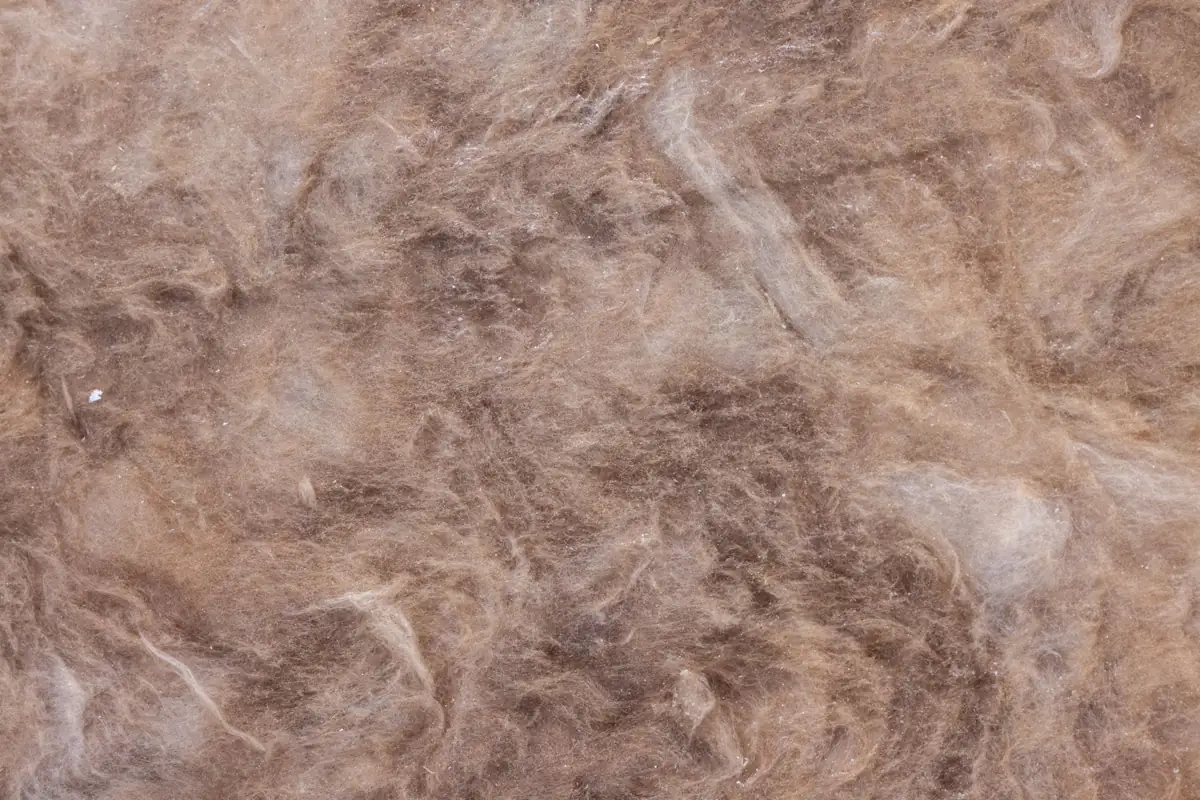
Blown-in insulation, also called loose-fill, is installed with a machine that blows small pieces of fiberglass or cellulose through a hose into the attic. It fills gaps around joists, wiring and pipes that batts often leave open.
It's the most common way to insulate or top up an existing Houston attic: it's quick to install, it can go right over existing insulation that's in good shape, and it reaches the recommended depth efficiently.
What's included
- Blown-in fiberglass insulation
- Blown-in cellulose insulation
- Top-ups over existing insulation
- Depth markers so you can see the coverage
- Baffles to protect soffit ventilation
When blown-in insulation is a good fit
- Your attic has open floor space between joists.
- Existing insulation is thin but dry and clean.
- You want to reach the recommended R-value without a major project.
- Batts are gapped, compressed or missing in places.
How blown-in insulation is installed
Measure
We calculate how much material is needed to reach the target depth.
Prepare
Baffles go in at the eaves and depth markers are placed across the attic.
Blow in
Material is fed through a hose from the machine to the attic and spread evenly.
Check
We confirm depth at the markers and clean up.
What affects the price
Every attic is different, so we price each job after an inspection. The main factors are:
- Attic size
- Fiberglass or cellulose
- Depth needed to reach the target R-value
- Preparation such as baffles and air sealing
- Access to the attic
Fiberglass or cellulose for Houston
Both materials work well in Houston attics. Fiberglass resists moisture and doesn't settle as much over time. Cellulose is made largely from recycled paper, treated for fire resistance, and gives a slightly higher R-value per inch.
We'll recommend one based on your attic, existing insulation and budget.
Blown-In Insulation questions
How deep does blown-in insulation need to be?
For R49 with blown-in fiberglass, roughly 18 to 20 inches depending on the product. Cellulose needs a bit less depth for the same R-value.
Does blown-in insulation settle?
Some settling is normal, especially with cellulose. Installers account for it by blowing to the manufacturer's recommended depth.
Is blown-in insulation messy?
The work stays in the attic. We protect the access area and clean up when finished.
Blown-In Insulation near you
We provide blown-in insulation in Houston and these nearby communities:
- Houston
- Katy
- Sugar Land
- The Woodlands
- Spring
- Cypress
- Pearland
- League City
- Kingwood
- Humble
- Missouri City
- Friendswood
- Tomball
- Bellaire
- West University Place
- Conroe